
Winter in Oklahoma may not always bring arctic temperatures—but when the chill sets in, you may notice your furnace running more often, your energy bills creeping up, or rooms that don’t feel quite as warm as you’d like.
The good news: these are often signs your heating system is doing more work than necessary—and there are steps you can take now to ease the load and protect your system.
What “Working Harder” Really Means
When we say your furnace is “working harder,” we aren’t referring to it doing something unsafe or unpredictable. It simply means the system has to run longer, more frequently, or under more strain than usual. Some common indicators:
- The furnace runs almost continuously, especially when outside temperatures dip.
- Your thermostat is set at the same temperature, but your house doesn’t feel as warm as before.
- Your energy or gas bill is higher than last winter under similar usage.
- Some rooms feel cooler than they used to.
Why does this happen? Here are the key reasons.
1. Larger Temperature Gap = Greater Demand
When it’s colder outside, the difference between the indoor temperature you want and the outdoor temperature is bigger. That makes your furnace work harder to raise and maintain your home’s warmth.
How to reduce the demand:
- Set your thermostat to a comfortable but moderate temperature—every few degrees you lower saves work.
- Use curtains or blinds to trap daytime sun warmth and close them at night to reduce heat loss.
- Keep interior doors closed for rooms you’re not using, so you’re not heating unnecessary space.
2. Heat Loss Through Your Home
Even if your furnace is doing its job, heat can escape faster than you think—especially in older doors, windows, attic spaces, or through uninsulated walls. When heat escapes, the furnace has to boost output to keep up.
Homeowner Steps to Limit Heat Loss
- Check window and door seals: add weatherstripping or caulk where you feel drafts.
- Insulate your attic or crawl space if the insulation is thin or compressed.
- Keep vents and registers open—not blocked by furniture or rugs—to let the warm air flow freely.
3. Restricted Airflow and Worn Components
If your furnace filter is clogged, your ducts are blocked, or key parts are aging, the furnace must overcome more resistance and inefficiency. That means more runtime and more stress.
Simple checks you can do now:
- Replace or inspect your filter every 1–3 months in winter (especially if you have pets or allergies).
- Ensure vents and return grills aren’t blocked—furniture, curtains, toys can hide them.
- Listen for odd sounds (rattling, whistling) and feel for weak airflow in vents; these could signal airflow issues.
4. System Sizing or Installation Issues
A furnace that’s too small for your home will struggle to keep things warm in colder weather. Conversely, one that’s too large may short‑cycle (turn on and off too rapidly), also causing strain.
What to look for:
- Are some rooms warm while others stay cold?
- Does the system seem to run non‑stop but never quite reach the thermostat setting?
- Has your home changed (finished basement, added room, new insulation) since the last time your system was evaluated?
If yes, a professional check may reveal whether your system is still right for your home.
5. Humidity and Winter Comfort
Cold air holds less moisture. When indoor air is very dry, you may feel colder and tempted to raise the thermostat. That actually forces your system to work harder. By keeping humidity at comfortable levels (30–40 %), you may feel warmer at the same temperature—and reduce strain on the furnace.
Tips for proper humidity:
- Use a whole‑house humidifier (if you have one) or a portable humidifier in rooms where you spend the most time.
- Avoid using excessive space heaters—they can dry the air faster and make your furnace work harder.
- Make sure exhaust fans (in bathrooms or kitchens) aren’t running longer than needed—they pull warm air out and may reduce indoor humidity.
When It’s Time to Call a Professional
Putting all of the above into action will help your system run more smoothly and reduce wear. But even with good homeowner care, some issues require a trained technician. You should call for service if you notice any of the following:
- The furnace cycles on and off very quickly (short‑cycling).
- There are unusual smells (like burning or gas) when the system runs.
- One area/room is significantly colder than another.
- Your energy bills are significantly higher than in previous winters under similar usage.
- The furnace hasn’t been inspected or maintained in more than a year.
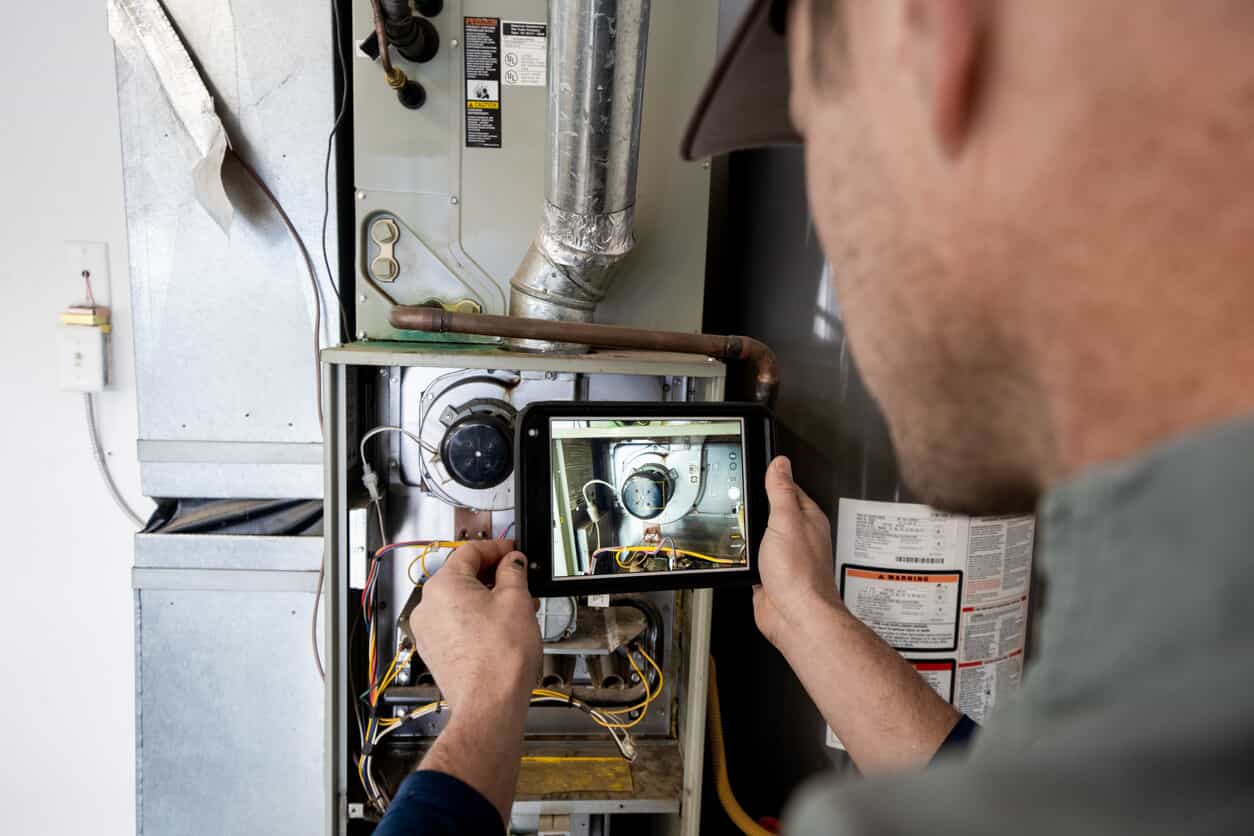
Professionals can check component wear, test airflow and combustion efficiency, identify hidden leaks in ductwork or refrigerant systems, and make sure everything is operating safely and efficiently.
How Arthur's Air Conditioning, Heating, & Plumbing Can Help Your Furnace Work Smarter This Winter
Your furnace is the heart of your home’s comfort during the colder months, and Arthur's Air Conditioning, Heating, & Plumbing can help it run more efficiently and reliably. Our team can inspect your system to identify hidden issues, optimize airflow, and ensure that your furnace is properly tuned for Oklahoma’s winter temperatures.
Combining professional maintenance with these homeowner actions can help your furnace work smarter, not harder, and reduce the risk of unexpected issues or high energy costs.
Ready for support this winter? Schedule your visit online or call (405) 302-8225 to have our team check your system and keep your home cozy all season.