
A comfortable home starts with a reliable heating system. Choosing the right furnace isn’t just about staying warm—it impacts energy bills, long-term efficiency, indoor air quality, and even your home’s environmental footprint. With so many options available, it can be overwhelming to figure out which system best meets your needs. At Arthur's Air Conditioning, Heating, & Plumbing, we’re here to guide you through the key considerations so you can make an informed decision that balances comfort, cost, and sustainability.
Conventional Furnaces: Reliable and Cost-Effective
Conventional furnaces are the tried-and-true choice for many homeowners. They come in gas, oil, and electric models, each offering unique advantages depending on your home and local fuel availability.
- Gas furnaces ignite natural gas to produce warm air quickly and efficiently. They are often less expensive to run than other options, especially in areas where natural gas is affordable.
- Oil furnaces provide robust heating performance, particularly in rural areas where oil is more readily available than gas. They can maintain consistent warmth even during extremely cold weather.
- Electric furnaces convert electricity directly into heat, producing no combustion byproducts, which makes them a cleaner option. However, they can be more expensive to operate in regions with high electricity rates.
Conventional furnaces are often easier to install and maintain, and they provide a reliable baseline for warmth. The choice of fuel and type should reflect your household needs, energy costs, and environmental priorities. While these systems are versatile, it’s important to weigh initial costs against long-term operational expenses and accessibility to fuel sources.
High-Efficiency Furnaces: Modern Comfort with Savings
High-efficiency furnaces are designed to maximize energy usage while reducing environmental impact. They feature advanced engineering, including secondary heat exchangers, that capture additional heat from exhaust gases and minimize wasted energy. Many high-efficiency models have AFUE (Annual Fuel Utilization Efficiency) ratings of 90% or higher, meaning nearly all the fuel is converted into usable heat.
The benefits of a high-efficiency furnace include:
- Lower energy bills: These systems use fuel more effectively, translating into noticeable savings on monthly bills.
- Reduced environmental impact: Fewer emissions help reduce your carbon footprint while still keeping your home warm.
- Incentives and rebates: Many local utility programs offer rebates or tax credits for upgrading to energy-efficient systems, offsetting installation costs.
Although these furnaces often require a higher upfront investment, the long-term savings, environmental benefits, and advanced performance make them a smart choice for homeowners looking for efficiency, comfort, and reliability.
Alternative Heating Options: Geothermal and Solar
For homeowners interested in sustainable and innovative solutions, alternative heating systems are becoming increasingly popular. These systems harness renewable energy to provide warmth with minimal environmental impact.
- Geothermal systems use the stable temperatures underground to heat your home through a network of buried loops and heat exchangers. They are highly efficient and provide consistent heating year-round.
- Solar heating systems capture sunlight via solar panels to generate heat for immediate use or storage. When paired with modern HVAC systems, solar heating can reduce reliance on fossil fuels and dramatically cut utility bills.
While these options offer impressive long-term savings and eco-friendly benefits, they require careful planning. Geothermal systems need adequate space for ground loops and may be less effective in extremely cold climates, whereas solar systems rely on sufficient sun exposure throughout the year. Despite higher upfront costs, these systems provide a sustainable, energy-efficient alternative to traditional heating methods.
Size and Capacity: Getting the Right Fit
A properly sized furnace is crucial to achieving consistent warmth and energy efficiency. Furnaces are rated by BTU (British Thermal Units), which measures the amount of heat the system can produce. Selecting the wrong size can lead to problems:
- Undersized furnace: Struggles to heat your home, runs constantly, wears out faster, and fails to provide consistent comfort.
- Oversized furnace: Cycles on and off too frequently, leading to uneven temperatures, wasted energy, and premature wear.
Determining the right furnace size requires more than guessing square footage. Factors like ceiling height, insulation quality, window efficiency, and local climate all affect heating needs. Professional HVAC contractors use detailed calculations and software to ensure your furnace matches your home’s requirements, delivering comfort while optimizing energy use.
Fuel Types: Practicality and Cost Considerations
The fuel you choose affects not only your energy bills but also system performance and environmental impact. Common furnace fuels include:
- Natural gas: Cost-effective, widely available, and burns cleaner than oil.
- Propane: Portable, clean-burning, ideal for homes without natural gas access.
- Electricity: Pollution-free when sourced sustainably, though potentially more expensive depending on local rates.
When evaluating fuel types, consider availability, long-term costs, and environmental impact. Homeowners who pair electric furnaces with renewable energy sources may reduce monthly expenses while supporting a greener home.
Ductwork and Zoning: Smart Heating Distribution
Even the best furnace will underperform if your ductwork isn’t properly designed or maintained. Poorly sealed or leaky ducts can waste up to 30% of your heating energy, while well-designed systems ensure comfort throughout your home.
- Sealed and insulated ducts prevent heat loss and reduce dust circulation.
- Zoning systems divide your home into separate areas with independent temperature controls, saving energy in unoccupied rooms.
- Smart thermostats allow for automated schedules and precise temperature adjustments, maximizing efficiency and comfort.
Proper ductwork and zoning help your system run efficiently, improve air quality, and save money on energy bills.
Understanding AFUE Ratings
AFUE ratings measure how efficiently a furnace converts fuel into heat over a year.
- 90% AFUE: 90% of the fuel is converted to heat; 10% is lost.
- 95%+ AFUE: High-efficiency furnaces minimize wasted energy and reduce monthly bills.
High AFUE ratings usually come with higher initial costs, but the energy savings, reduced emissions, and potential rebates make them worth considering for homeowners who plan to stay in their homes long-term.
Maintenance and Longevity
Regular maintenance is essential to keep your furnace running smoothly for 15–20 years or more. Simple habits and professional inspections can prevent costly repairs and maximize efficiency.
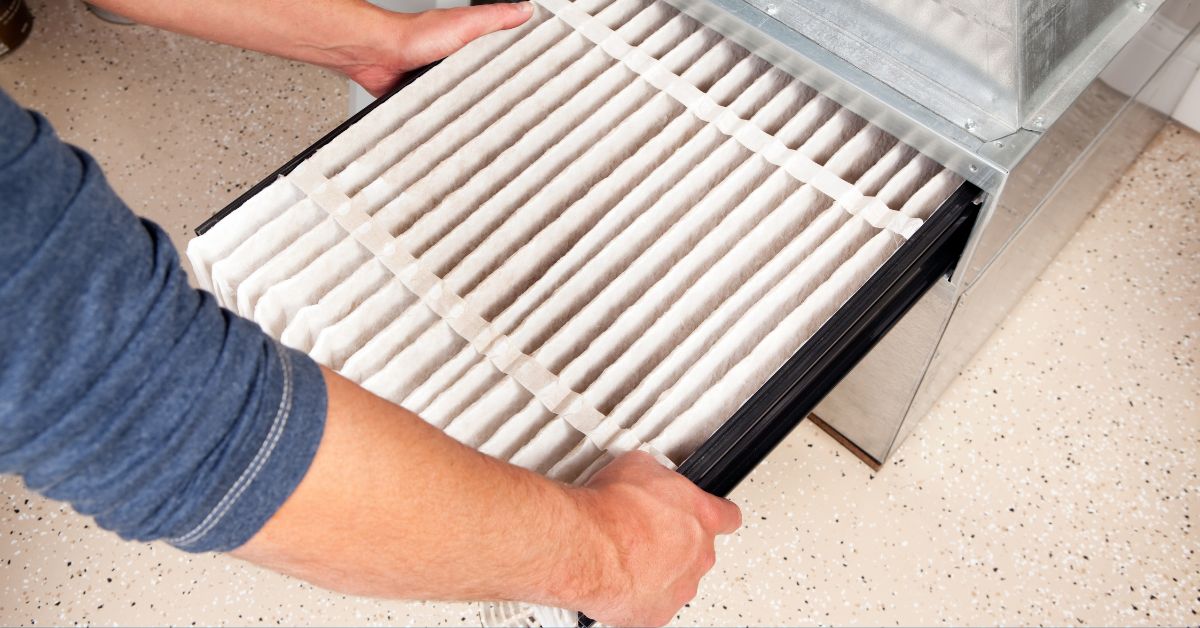
- Replace or clean filters every few months.
- Keep vents clear of obstructions.
- Schedule annual inspections with a professional technician to identify potential issues early.
Maintaining your furnace improves safety, prevents carbon monoxide risks, and ensures consistent warmth for your home.
Upgrades and Retrofitting
Older systems may struggle to heat efficiently or lack modern features. Retrofitting or upgrading can improve performance without a full replacement.
- Upgrade ductwork for better airflow.
- Install smart thermostats for precise control.
- Replace outdated furnaces with high-efficiency models to save energy and reduce bills.
Even minor upgrades can make a significant difference in comfort, air quality, and operating costs, helping your home keep pace with modern heating technology.
Air Quality and Health Considerations
Your furnace affects the air you breathe. Older systems can circulate dust, pollen, and other contaminants, which can impact respiratory health. High-efficiency systems often include:
- HEPA or advanced filtration systems
- Humidifiers and dehumidifiers to maintain healthy indoor moisture
- Features designed to reduce airborne contaminants
Investing in a furnace that improves air quality enhances comfort and promotes a healthier home environment.
Environmental Impact
Furnaces account for a significant portion of household energy use. Choosing energy-efficient or alternative systems can reduce carbon emissions and support sustainability:
- Electric, high-efficiency, or renewable-powered systems minimize environmental impact.
- Government incentives may reward energy-efficient upgrades.
- Thoughtful choices reduce your long-term carbon footprint while maintaining comfort.
Noise and Installation Considerations
Operational noise and proper installation affect comfort. Some furnaces run quietly, while others produce noticeable hums or clicks. Proper placement and professional installation help minimize disruption:
- Install units in insulated mechanical rooms or away from living spaces.
- Ensure ducts and vents are properly secured to reduce noise.
- Certified installers follow safety protocols and ensure the system operates efficiently from day one.
Final Thoughts: Making the Right Choice
Choosing a furnace is a long-term investment that balances comfort, cost, and efficiency. Whether you need a conventional system, a high-efficiency upgrade, or an alternative energy solution, Arthur's Air Conditioning, Heating, & Plumbing can guide you toward the best choice for your home.
Ready to improve your heating system? Call Arthur's Air Conditioning, Heating, & Plumbing at (405) 302-8225 or send us a message online to explore professional furnace installation, maintenance, and upgrade options.