

Late winter in Oklahoma is unpredictable—warm one day, freezing the next. These quick shifts in temperature can push your heating system harder than you realize. When the weather changes suddenly, furnaces may cycle more often, older components may begin to fail, and small maintenance issues can turn into unexpected breakdowns.
Understanding what causes winter HVAC emergencies can help you stay ahead of problems and keep your home comfortable through the last stretch of the season.
Why Late Winter Puts Extra Stress on Your HVAC System
As winter wears on, heating equipment often works longer hours and with less recovery time. According to the U.S. Department of Energy (DOE), temperature swings can cause your heating system to cycle more frequently, which increases wear on motors and other internal parts.
Here are some of the most common late-winter factors that contribute to HVAC strain:
- Cold snaps after warm periods make the system ramp up quickly
- Dry winter air makes the home feel colder, causing constant thermostat adjustments
- Clogged filters reduce airflow, forcing the system to run longer
- Aging components start to show signs of fatigue by the end of the season
Understanding these stress points can help prevent an emergency call when you need heat the most.
Common HVAC Problems That Develop Late in the Season
1. Clogged or Overdue Furnace Filters
A dirty filter is one of the top causes of heating failures. When airflow becomes blocked, the furnace has to work harder to push air through the home. This increases the risk of overheating, shutdowns, and worn-out blower components.
Signs your filter may be causing issues:
- Weak airflow from vents
- More dust inside the home
- The furnace is running longer than usual
- An increase in energy use
Simple prevention:
- Check your filter at least once a month
- Replace it every 1–3 months (sooner if you have pets or allergies)
2. Strain on Older Heating Systems
Heating systems older than 10–15 years are more likely to struggle during weather swings. Internal parts such as igniters, blower motors, and sensors can weaken over time. Sudden temperature changes in Oklahoma can cause these worn components to fail with little warning.
Watch for:
- Rattling, clicking, or grinding noises
- Longer furnace cycles
- Cold rooms, even when the furnace is running
3. Thermostat Problems
Thermostats may seem simple, but they are one of the most common causes of uneven heating and unexpected furnace shutdowns. Loose wiring, old batteries, and improper placement (near sunlight or drafts) can confuse the system.
Quick checks:
- Replace thermostat batteries
- Make sure vents or heat sources aren’t blowing directly on the thermostat
- Check that your thermostat is set to the correct mode
4. Ductwork Leaks and Blockages
Leaky ducts can waste up to 20–30% of heated air. This means the furnace works much harder than necessary, especially late in the season when it has already been running for months.
Signs of duct issues:
- One or more rooms are consistently colder
- High energy bills
- Whistling or rattling noises from vents
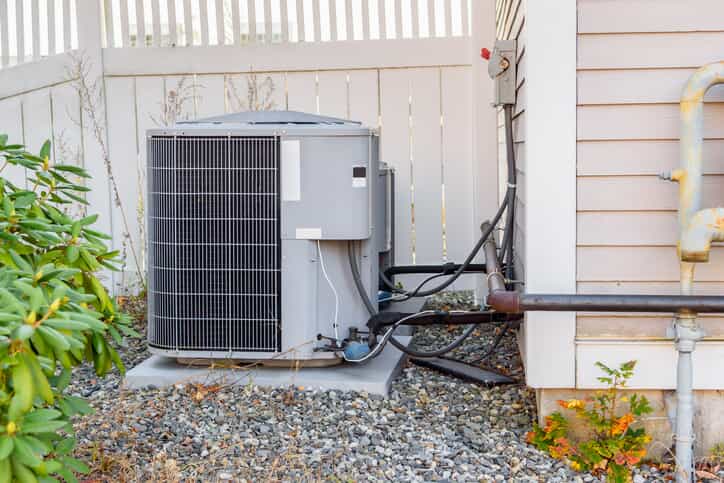
5. Low Refrigerant Levels in Heat Pumps
Heat pumps rely on refrigerant levels to transfer heat properly. Low levels mean the system must run longer to warm your home. The DOE warns that operating with low refrigerant can cause long-term damage.
Common signs:
- Frost on the outdoor unit
- Insufficient heating
- Longer cycles
If you use a heat pump and it’s struggling during cold spells, refrigerant may be a factor.
How to Reduce the Risk of Heating Emergencies
You don’t need to be an HVAC expert to take simple steps that keep your system stable through the rest of winter. Small actions make a big difference.
Keep Airflow Strong
- Replace air filters regularly
- Make sure vents are open (closing vents can harm the system)
- Move furniture away from supply and return vents
Help Your Home Hold Heat
Even basic weatherproofing helps lighten your furnace’s workload.
- Close curtains at night to reduce heat loss
- Seal gaps around doors and windows
- Use door sweeps in drafty areas
Use the Thermostat Wisely
- Avoid constant up-and-down adjustments
- Choose a comfortable number and keep it steady
- Keep the thermostat away from bright windows or heat-producing appliances
Keep an Eye on System Performance
Call for help if you notice:
- Odd noises
- Frequent cycling
- Cold spots
- Rising utility bills
Small problems often become major ones when ignored.
When to Call a Professional
Some issues should always be handled by licensed HVAC technicians. Professional service is recommended when you notice:
- Burning, electrical, or gas smells
- Loud banging, grinding, or shrieking noises
- A furnace that shuts off shortly after starting
- The heat pump is running constantly without warming the home
- Ice or frost buildup on outdoor components
- A furnace that hasn’t been inspected in over a year
Oklahoma’s late-winter conditions can push equipment to the limit, so early attention can prevent bigger—and more expensive—problems.
How Arthur's Air Conditioning, Heating, & Plumbing Helps Protect Your Home Through Late Winter
A trusted heating professional can help you navigate Oklahoma’s unpredictable late-season weather with a thorough inspection and tune-up. During a visit, Arthur's Air Conditioning, Heating, & Plumbing can:
- Check airflow and indoor temperature balance
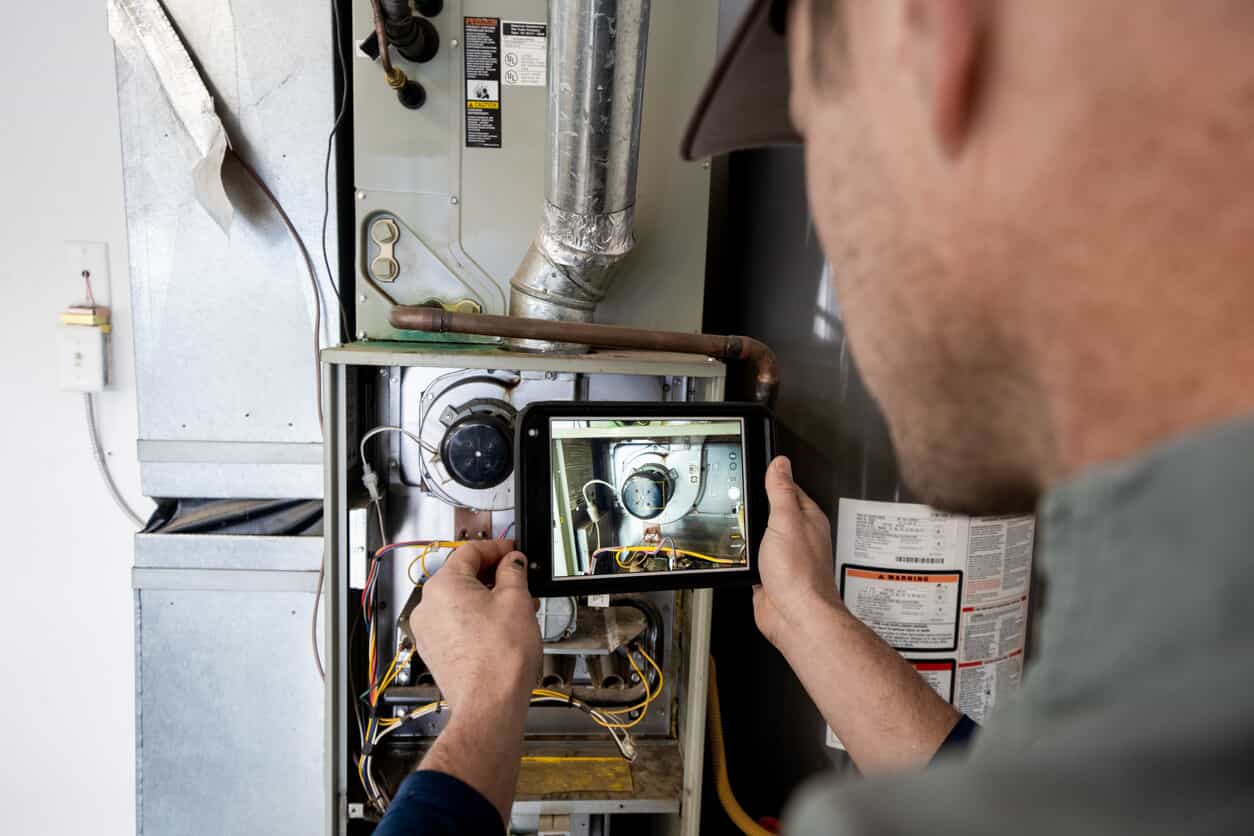
- Inspect key components like igniters, blowers, and sensors
- Look for duct leaks or blockages
- Verify safety controls and system cycling
- Identify issues that often go unnoticed until a full breakdown occurs
By catching small problems early, you can reduce the stress on your heating system, maintain comfort, and lower the chances of an unexpected emergency call.
For dependable, educational HVAC care built around your home’s needs, our team is here to help you finish the winter season safely and comfortably.
Stay Ahead of HVAC Emergencies—Contact Arthur's Air Conditioning, Heating, & Plumbing
If your system seems to be struggling—or if it’s been more than a year since your last tune-up—now is the ideal time to book a visit before late-season weather makes things worse.
Schedule service today or call (405) 302-8225.